Commercial Sewage Cleanup in Featherstone, IN
Sewage cleanup for Featherstone restaurants, offices, and multitenant buildings. Contained work zones and a file you keep.
Featherstone Water Restoration handles Commercial Sewage Cleanup for Featherstone, IN homeowners: emergency dispatch around the clock, IICRC certified technicians, and insurance coordination on approved claims. Call (765) 436-6771.
- Service: Commercial Sewage Cleanup for Featherstone homeowners
- Service area: Featherstone, IN and surrounding areas
- Response time: 24/7 live dispatch; emergency crews prioritized for Featherstone
- Licensed and insured (License #RC21100059)
- Serving Featherstone, IN since 2018
Commercial Sewage Cleanup for Featherstone Businesses
Sewage inside a commercial building brings a health code question with it, and the answer depends on documentation you may not have yet. Featherstone Water Restoration works sewage losses in Featherstone under containment and builds the file as the job runs: source, affected areas, removal scope, antimicrobial product and dwell time, moisture readings, and clearance verification. Your inspector decides when the space reopens, with a record in front of them.
Before any cut is made, the crew traces the wet edge with penetrating and nonpenetrating meters and a thermal camera, then draws it on a floor plan of your Featherstone building labeled with your suite and room numbers. Each reading point on the plan matches a photograph, so anyone reviewing the file can find the same spot on site months later.
Extraction on a sewage loss uses pumps rated for solids, which a standard carpet extractor isn't. Featherstone Water Restoration crews pull the standing waste first, then take out saturated porous material in bagged loads through a controlled exit. Hard floors get scraped and squeegeed before cleaning. Only once the gross contamination is gone and the surfaces are cleanable does drying equipment go into the space.
Business interruption is often the larger number on a commercial sewage claim, and it turns on dates and conditions a carrier will want substantiated. Featherstone Water Restoration logs arrival time, the condition of the space on arrival, what was removed and when, the daily moisture readings, and the date clearance verification was recorded. That record supports whatever your carrier and your accountant build the interruption figure from.
Lower levels take the worst of a backup because the water collects there and has nowhere else to go. If your Featherstone building has an affected basement or garage level, call Featherstone Water Restoration and describe what's on the floor, such as carpet or stored goods. The crew plans pumps and containment for that level before the first cut.
Signs You Need Commercial Sewage Cleanup
If you notice any of these in your Featherstone building, schedule a free inspection before the issue worsens.
Several fixtures in the same restroom block draining slowly at the same time of day
Exterior cleanout flooded or overflowing in a parking lot or alley
Odor that gets stronger the closer you walk to the lowest floor drain
Odor returning days after a plumber cleared the line and declared it flowing
Floor drains in a loading dock bay bubbling or overflowing after a heavy rainstorm
Sewer odor greeting tenants in a ground floor suite after a weekend closure
Toilets in more than one restroom overflowing at the same time
Neighboring buildings or the city reporting sewer backups along the same street
Carpet tile edges in a corridor outside a restroom staying damp between cleanings
Visible tide line on the lower few inches of drywall beside a restroom
How Featherstone Water Restoration Handles Commercial Sewage Cleanup
We follow these steps in order on every Featherstone job.
Dispatch and Assessment
A crew dispatches to the property within 2 hours. The lead walks the affected area with building staff, identifies the source and photographs the condition before anything gets touched or moved.
Containment and Access Control
Crews build 6 mil poly barriers with zipper entries around the affected area, seal the HVAC openings serving it, and put the zone under negative pressure with HEPA air scrubbers. Entry is limited to crew in PPE for the rest of the job.
Moisture Mapping and Cut Lines
Once the standing waste is out, meters and a thermal camera trace the wet edge across floors and walls. The crew marks cut lines on the walls from those readings and photographs each mark before demolition begins.
Surface Cleaning
Every reachable surface gets a detergent wash with agitation to pull the soil load off it, because an antimicrobial over residue doesn't reach what sits underneath. Floor sinks, trench drain channels, grout lines, and stainless bases get cleaned by hand.
Structural Drying
Air movers and dehumidifiers get sized to the affected volume and the amount of wet material, then placed around the wet zone. Moisture content is logged daily by material and location against unaffected baseline readings taken elsewhere in the same building.
Commercial Sewage Cleanup in Featherstone
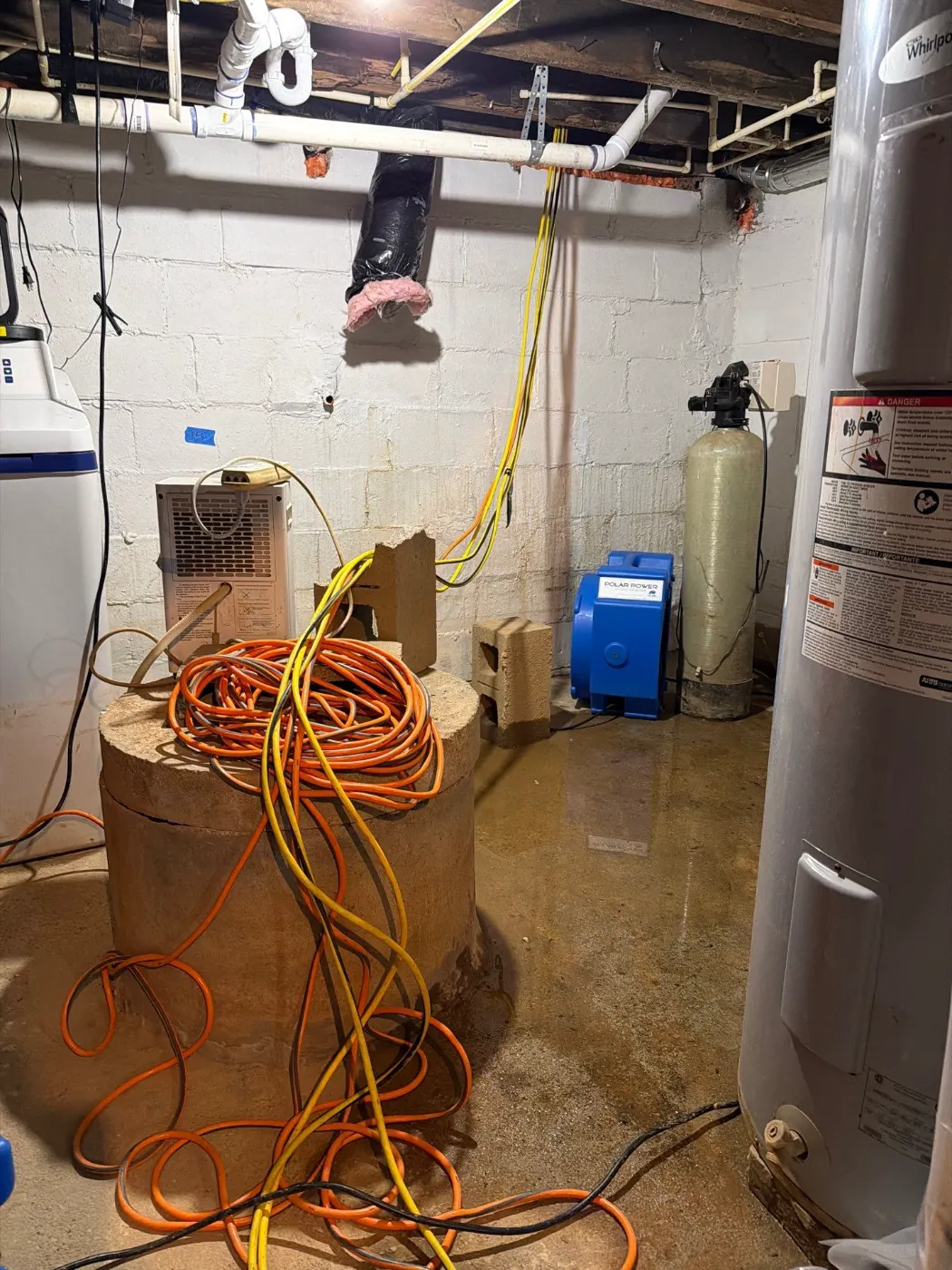
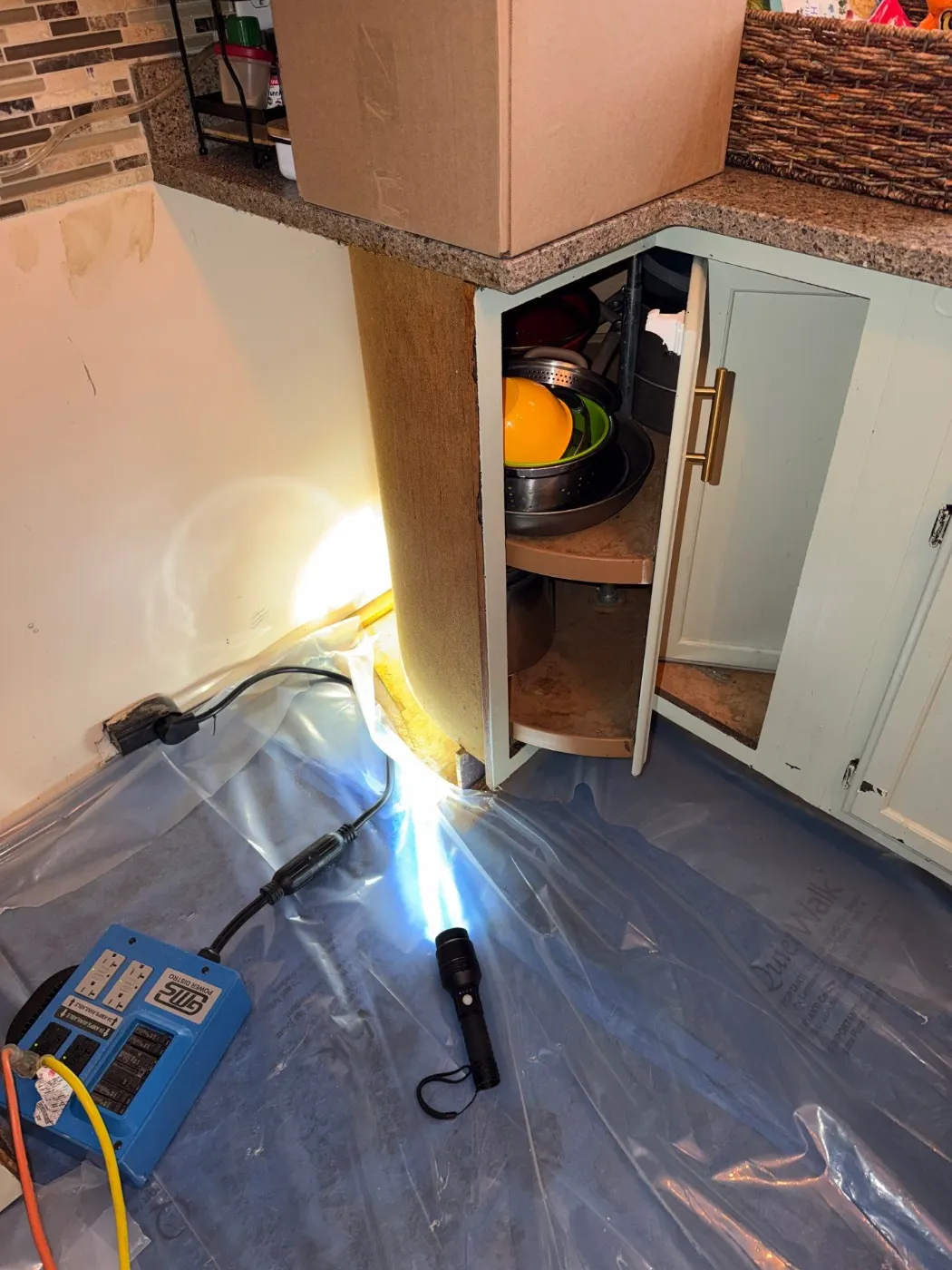
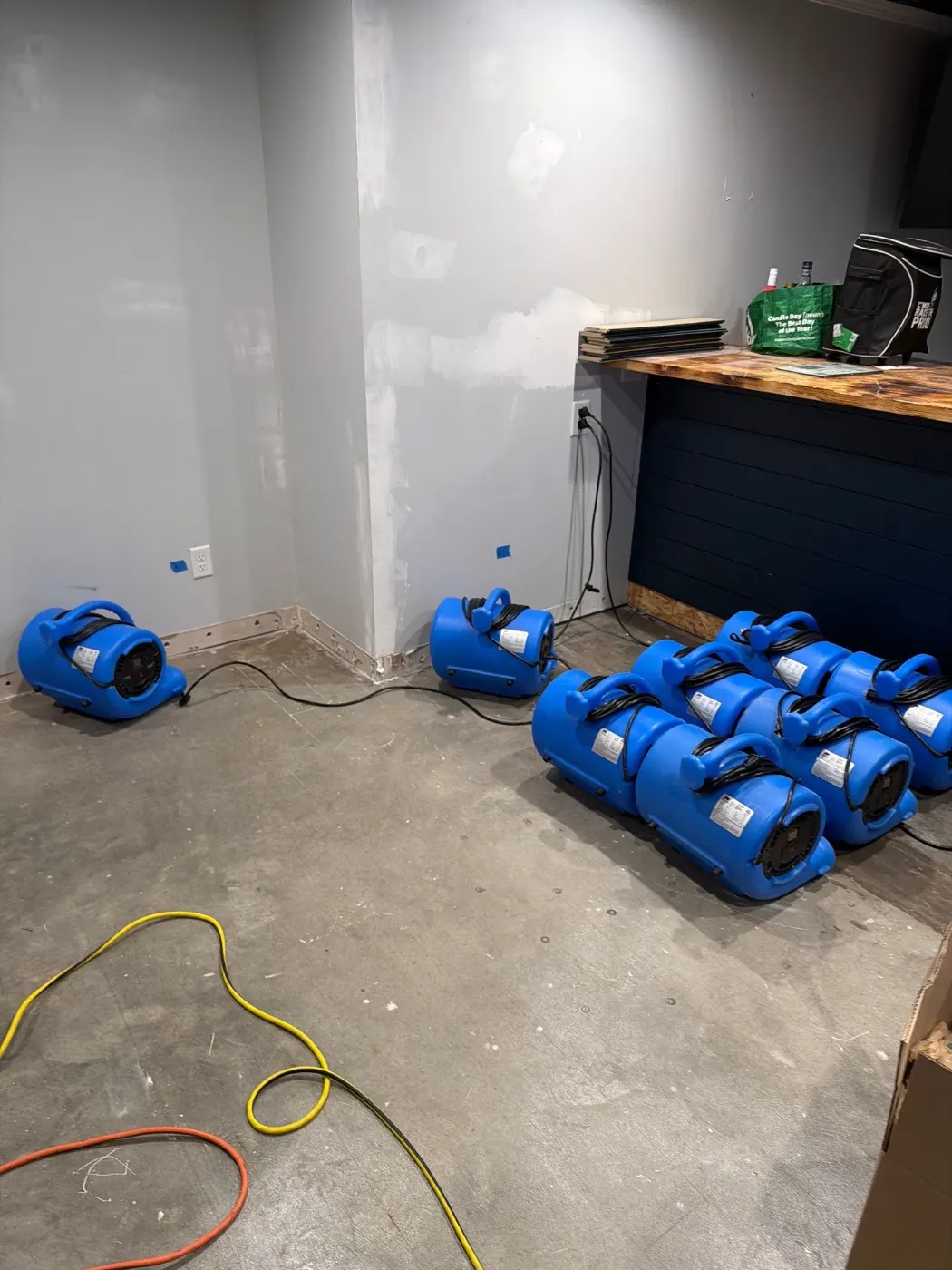
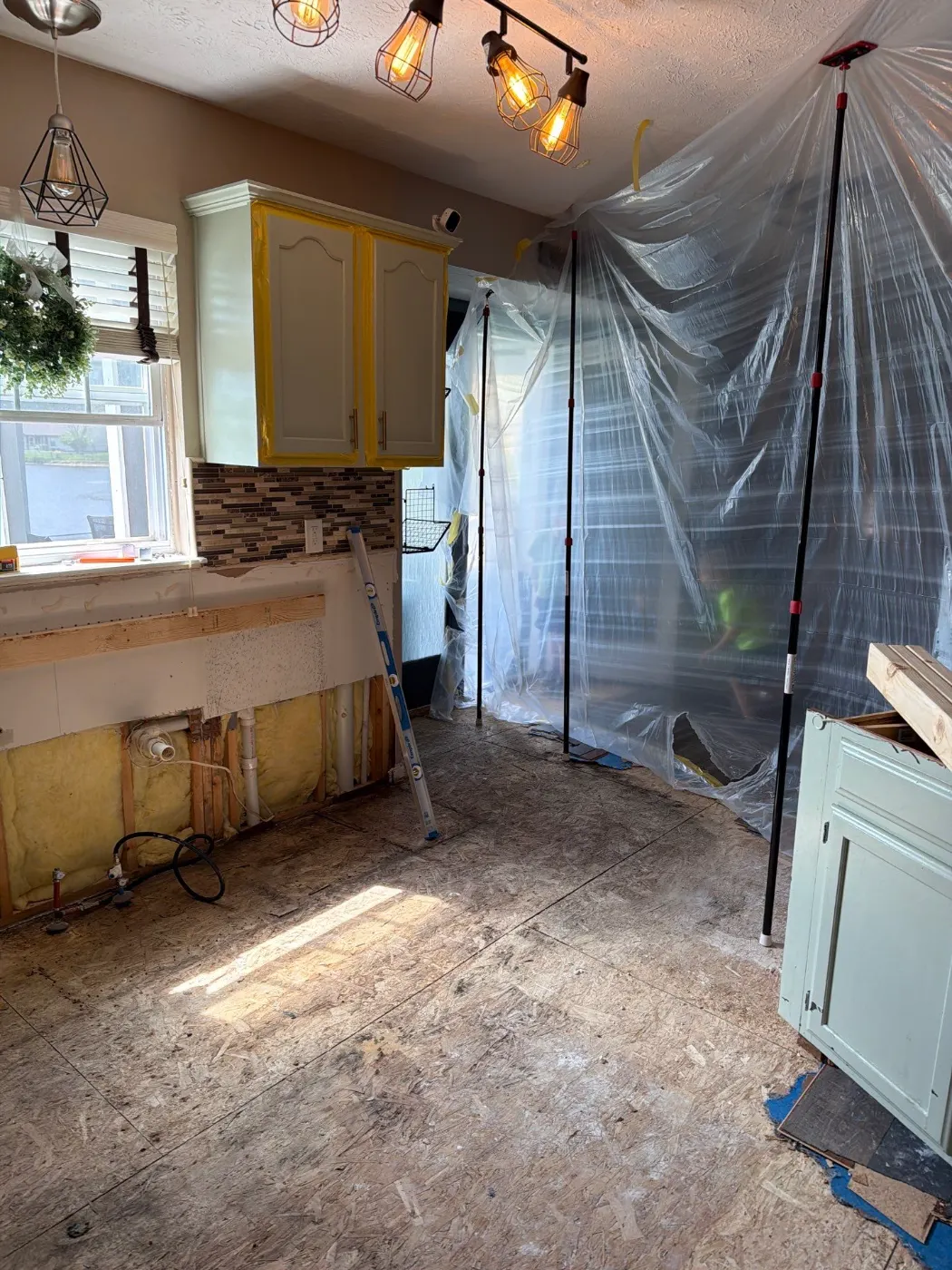
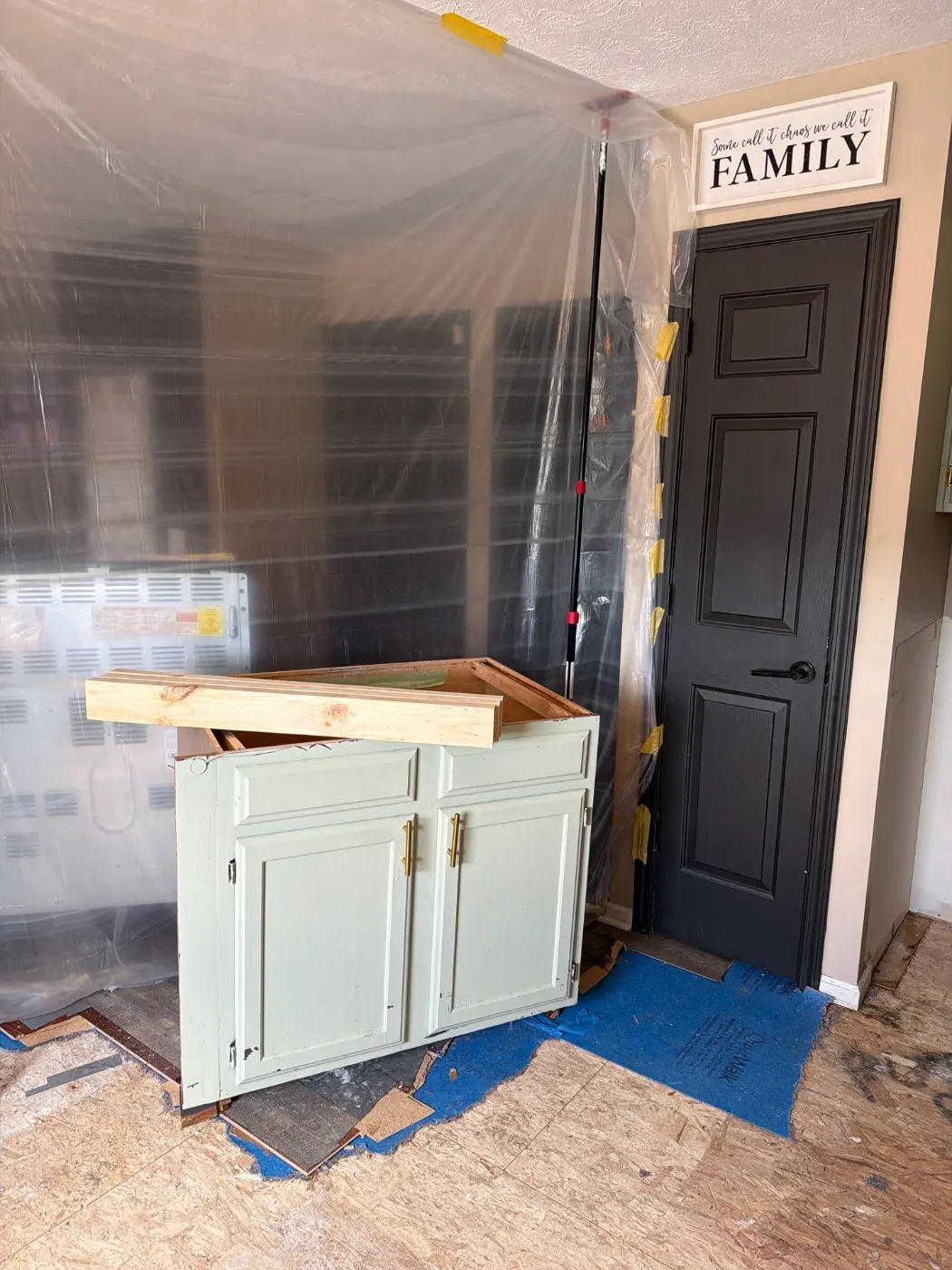
Photographs from real commercial sewage cleanup jobs completed by our crew in Featherstone and surrounding areas.
Commercial Sewage Cleanup FAQ
Questions Featherstone property managers ask us about commercial sewage cleanup.
Guidance and Standards for Commercial Sewage Cleanup
- The ANSI/IICRC S500 is the published standard for professional water damage restoration. The current edition is the Fifth Edition, 2021. IICRC S500 Standard
Featherstone Neighborhoods We Serve
We take commercial sewage cleanup calls in every part of Featherstone. Pick your neighborhood for local details.
Other Restoration Services in Featherstone
Featherstone Water Restoration handles the full scope of restoration work. Explore our other services below.
Water Damage Restoration in Featherstone
24/7 emergency response. IICRC certified water restoration from extraction to full dry out.
Learn more →Basement Flooding in Featherstone
Basement water emergencies handled fast. Extraction, drying, mold prevention.
Learn more →Sewage Cleanup in Featherstone
Category 3 biohazard cleanup. Full containment, decontamination, structural restoration.
Learn more →Request Commercial Sewage Cleanup
Reach Us Directly
Our team is available 24/7 for emergencies and ready to schedule inspections during business hours.
Need Immediate Help?
For active water or mold emergencies, call us directly. We are available 24/7.